Apr 15th 2026
How Tractor Manufacturers Create Different Horsepower Models with the Same Engine?
Modern agricultural equipment manufacturers often build several machines using the same engine platform while offering different horsepower ratings. This approach allows manufacturers to provide a range of models for different farming operations without redesigning the entire machine for every horsepower level.
Instead of building a completely different engine for each model, manufacturers typically adjust the engine’s electronic calibration to produce different performance levels. By controlling factors such as fuel delivery, injection timing, turbocharger boost, and torque management, engineers can create multiple horsepower ratings from the same engine architecture.
This strategy is common across many equipment lines. For example, tractors within the John Deere 8R Series and John Deere 9R Series share many of the same core components across several horsepower ratings. Combines follow a similar design approach, with machines like the John Deere S7 600 and John Deere S7 700 built on similar platforms while offering different levels of engine performance.
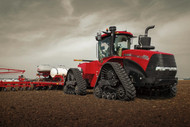
Other manufacturers use the same strategy as well. Equipment such as the Case IH Magnum and Case IH Steiger often share engines and major components across several horsepower models.
Because the hardware is often very similar between models, the primary difference in performance comes from how the engine is electronically controlled. This is one of the reasons performance modules can increase horsepower by optimizing the signals used by the engine’s electronic control system.
If you want to see how farmers are using this strategy in real-world applications, read our article Save Money on Your Next Tractor or Combine: Why Many Farmers Buy One Size Smaller and Add Horsepower. You can also see an example of a John Deere performance module designed for these tractors on the Ag Diesel Solutions website: