Apr 15th 2026
5 Ways to Increase Tractor Performance in the Field
Getting the most performance out of agricultural equipment is important during planting, tillage, and harvest. While horsepower plays a major role in productivity, there are several factors that influence how efficiently a tractor or combine performs in real field conditions.
One of the most important factors affecting tractor performance is proper ballasting. Correct ballast allows the tractor to transfer power to the ground more efficiently, reducing wheel slip and improving traction. When weight distribution is optimized, the tractor can use more of its available horsepower effectively.
Tire pressure also has a major impact on performance. Proper tire inflation improves the tire’s contact with the soil, helping maximize traction while reducing soil compaction. Many operators find that adjusting tire pressure alone can noticeably improve pulling performance.
Routine maintenance is another critical factor in maintaining equipment performance. Clean air filters and properly maintained fuel systems ensure that diesel engines receive the air and fuel they need to operate at peak efficiency.
In addition to these operational improvements, some farmers choose to increase engine performance using electronic modules. These modules can optimize engine output and improve torque during heavy field work.
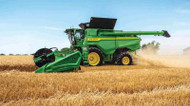
This approach is commonly used on machines such as the John Deere 8R Series, John Deere 9R Series, and large harvesting machines like the John Deere S7 700. Similar improvements can also be achieved with machines from other manufacturers including the Case IH Magnum and Case IH Steiger.
You can see an example of a plug-and-play performance module designed for these tractors here:
https://agdieselsolutions.com/products/jd2905
If you want to understand why many farmers combine this upgrade with purchasing a slightly smaller tractor, read our article Save Money on Your Next Tractor or Combine: Why Many Farmers Buy One Size Smaller and Add Horsepower.